 GIF Sundsvall Hub
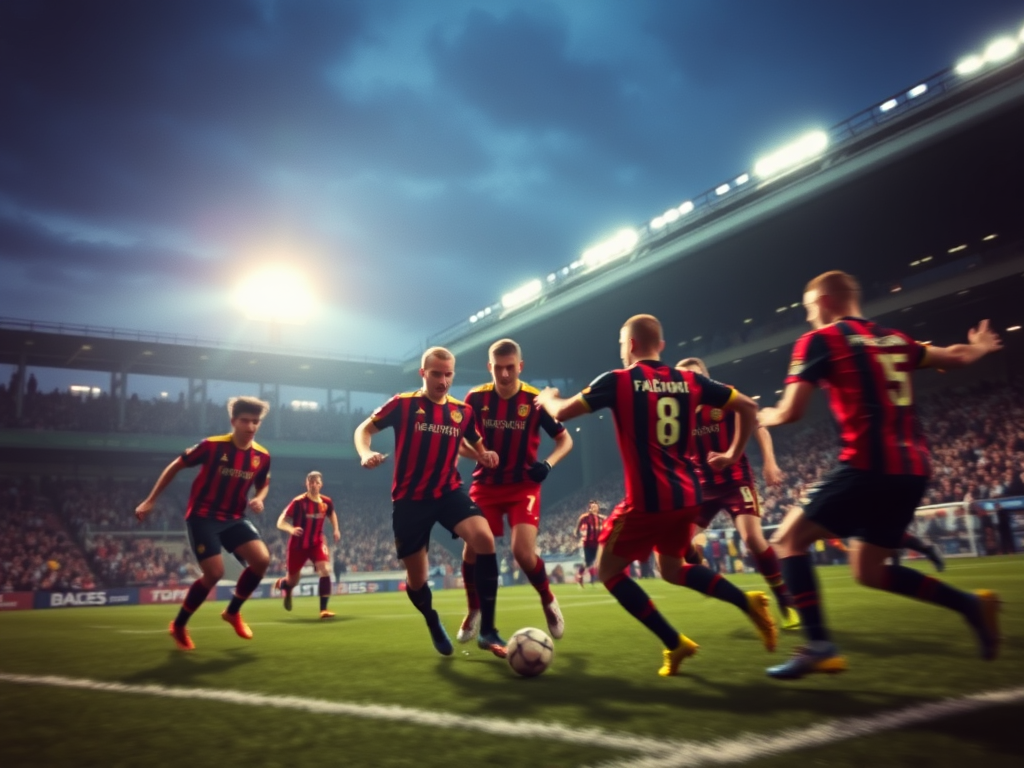
Sundsvall's DFF has shown unpredictability and inconsistency in recent matches, which can partly be traced back to the dynamics of the midfield. The team's midfielders have struggled to create enough space for the forwards while maintaining defensive solidity. Adjusting the midfield's formation and roles could be crucial for regaining control of the game.
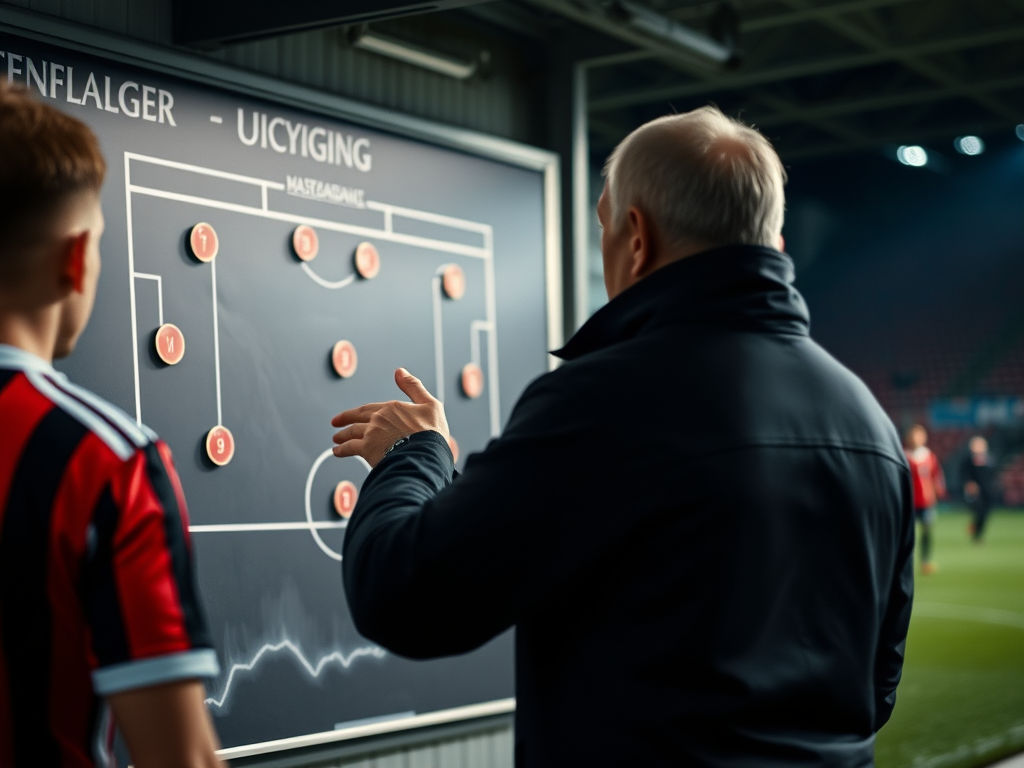
A clear trend has been that Sundsvall's DFF's midfielders often find themselves too far apart, leading to a lack of support in both defense and attack. A potential adjustment could be to implement a more compact midfield tactic, where players work closer together to easily switch between offense and defense. By using a 4-3-3 formation, the team can establish a solid base in the middle, providing more support to both the backline and the forwards.
To optimize this system, it may be worth considering the use of one of the midfielders as a more offensive playmaker. This player can serve as a link between the midfield and the forwards, increasing creativity and pressuring the opponent's defense. Having a player with good passing ability and vision in this role can be crucial for breaking down the opponent's lines.
Additionally, it is essential for the midfielders to have clear defensive responsibilities. Having one or two players focused on regaining possession and breaking up the opponent's play is central. By having a player who excels at reading the game and anticipating the opponent's movements, Sundsvall's DFF can create a more stable defensive structure, which in turn provides more security for the entire team.
Creating a stronger midfield trio can also enhance the team's transition play. By quickly moving the ball from defense to attack, Sundsvall's DFF can exploit the opponent's vulnerabilities during counterattacks. This is where speed and communication between the midfielders become crucial. Training on quick passing and off-the-ball movement is essential to increase offensive efficiency.
Finally, increasing competition for spots in the midfield can also yield positive effects. By introducing rotation and giving certain players more time in different roles, the coach can create a more dynamic midfield setup. This can improve both morale and performance levels among the players, which is vital for building a strong team spirit and enhancing chances of success in Superettan.
By focusing on these adjustments in the midfield's structure and function, Sundsvall's DFF can improve their performance and regain the stability needed to achieve their goals.